
31st Annual RiMS Conference
Theme: Recovery and Compensation in Multiple Sclerosis Rehabilitation: Rethinking Mechanisms, Decisions, and Outcomes

-
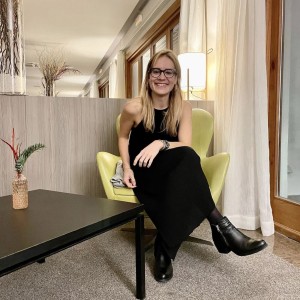
Cristina Ustrell Garrido
Cristina is a clinical speech-language pathologist at Cemcat (Centro de Esclerosis Múltiple de Catalunya) in Barcelona. She specialises in the assessment and treatment of communication and swallowing disorders, including language disorders, dysarthria, dysphagia, and breathing-related difficulties in people with multiple sclerosis (MS). In addition to providing care, she conducts informational sessions for family members and caregivers, supervises student interns, makes home visits to people with MS, and currently directs the Cemcat Therapeutic Choir. She also participates in training programmes at the university. Cristina has been a member of the SIG Communication and has presented studies at RiMS on communication and dysphagia. She will also present her work in this area, focusing on clinical approaches to neurodegenerative diseases and voice-related disorders. -

Daphne Kos
Daphne Kos worked as OT practitioner, lecturer and researcher and studied fatigue in people with multiple sclerosis since her PhD project. Daphne Kos coordinates scientific research in the rehabilitation department of the National MS Center Melsbroek and is manager of the OT master programme in KU Leuven (interuniversity programme with Hasselt and Ghent). Her research domain is situated in the area of neurological rehabilitation, focussing on fatigue and fatigability, occupational performance, participation, life balance, goal setting and assessment, mainly in multiple sclerosis. Daphne Kos is current President of the Belgian Society for Neurological Rehabilitation (BSNR) and Past President of Rehabilitation in Multiple Sclerosis (RIMS). -
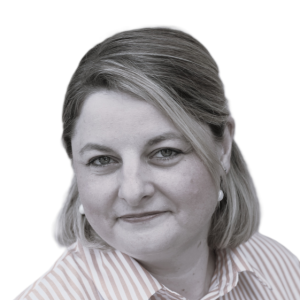
Ellen Van Moer
Ellen Van Moer is a midwife and nurse specialist who worked in obstetrics and reproductive medicine for many years. Recently, she made the switch from fertility patients to MS-patients. She is very honored and highly motivated to work in the MS-field now, a field Ellen finds rapidly evolving with a significant scope for further development. Her special interests are MS and women’s health, parenthood and psychosocial wellbeing. -
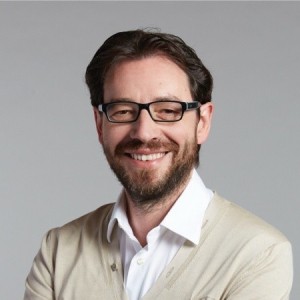
Giampaolo Brichetto
Dr. Brichetto joined the Italian MS Society Foundation (FISM) on March 2009 where he currently holds the position of Scientific Director NeuroBRITE Research Center and Head of Rehabilitation Centers at the Italian MS Foundation and President of the Rehabilitation in Multiple Sclerosis (RIMS) organization. He is 51 years old and he graduated in Medicine in 2000 and in 2004 he became specialist in Physical Medicine and Rehabilitation. In 2004, Dr. Brichetto discussed his on Neurosciences (the effect of robotic training in patients with multiple sclerosis with prevalent cerebellar symptoms). He started to work on Research in Rehabilitation in the field of neuro-rehabilitation 20 years ago in particular in the topic of Parkinson’s disease, stroke, traumatic brain injury and multiple sclerosis. Since from the beginning he started to explore the topic of movement analysis and the use of advanced technologies in rehabilitation. His whole carrier effort aimed at improving neuro-rehabilitation strategies for MS by integrating traditional rehabilitation techniques with bio-tech devices, improving cognitive rehabilitation strategies by delivering rehab trough m-health devices and by improving rehabilitation outcome measures for clinical and research purposes. -
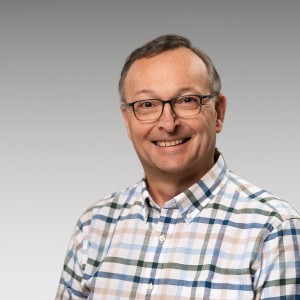
Hans Bogaardt
Dr. Hans Bogaardt is an internationally recognised speech pathologist and clinical epidemiologist whose work is transforming our understanding of communication disorders in people with multiple sclerosis (MS). With over 25 years of experience across clinical, academic, and industry settings in Europe and Australia, he currently serves as Associate Professor and Director of Speech Pathology at Monash University. Dr. Bogaardt’s research focuses on how MS affects language, speech, and cognitive communication function. He has led major international initiatives to develop and validate person centred assessment tools—including the CLAMS and SMS questionnaires—that capture the lived experience of communication changes in MS. His work has illuminated the impact of word-finding difficulties, language impairments, and communicative participation, and has identified the influence of fatigue, depression, and cognitive load on communication outcomes. His research is distinguished by strong interdisciplinary collaboration and deep consumer involvement, ensuring that patient experience drives clinical priorities and intervention design. Dr. Bogaardt has authored more than 80 peer reviewed publications, with over 1,200 citations. -
Helen Ford
Helen Ford is a consultant neurologist with a special interest in multiple sclerosis. Helen trained in neurology in Yorkshire, UK, and was appointed as a consultant neurologist in 1998. Helen works with a multidisciplinary MS team based at Leeds Teaching Hospitals NHS Trust and leads the regional West Yorkshire MS Treatment programme. Helen is Honorary Clinical Professor of Neurology at the School of Medicine, University of Leeds. Helen’s research interests are in employment in MS, social determinants of health, domestic violence and abuse, equity of access to diagnosis and treatment, digital interventions to improve self-efficacy and resilience, and kinematic analysis of upper limb function in MS. Helen leads the Yorkshire Hub for the Octopus trial platform in progressive MS. -
Ines Robberechts
Ines Robberechts is a clinical speech and language therapist at the Nationaal MS Centrum in Melsbroek, Belgium. She specializes in the assessment and treatment of communication and swallowing disorders in people with multiple sclerosis, including language impairments, dysarthria, dysphagia, and breathing-related difficulties. In addition to her clinical work, she holds a Master’s degree in Educational Sciences and is actively involved in teaching. She provides training on swallowing to nursing students and supervises speech and language therapy students during their internship. -
Jan Havlík
Dr. Jan Havlík received his Master degree in Electronics at the Faculty of Electrical Engineering of the Czech Technical University in Prague, Czech Republic in 2001. In 2008, he received his Ph.D. degree in Electrical Engineering Theory at the Czech Technical University in Prague. He is currently working as assistant professor at the Department of Circuit Theory, Faculty of Electrical Engineering, Czech Technical University in Prague. His main research interests are biomedical engineering and ambient assisted living, especially in the field of medical equipment, biomedical hardware development, biomedical signal processing, telemedicine and telemonitoring. Dr. Jan Havlík is the principal investigator or co-investigator of numerous projects supported by national and international grants. According to Web of Science, he has authored 44 indexed publications (42 indexed in the WoS Core Collection), with 115 citations and an h-index of 6. Web of Science ResearcherID: C-7743-2013 ORCID: 0000-0001-9301-6359 -
Jenny Freeman
Jenny Freeman is a Professor in Physiotherapy and Rehabilitation, and Associate Head of Research at the School of Health Professions, Faculty of Health, University of Plymouth, United Kingdom. Her research is grounded in her longstanding clinical experience in neurological physiotherapy and multi-disciplinary rehabilitation, for which she has an ongoing MS clinical commitment. Her research centres on the development and evaluation of complex rehabilitation interventions, reflecting the priority given by health services to providing evidence-based management. Jenny is involved with the education of healthcare students at both undergraduate and post graduate levels, across a range of disciplines. She has been actively involved in MS rehabilitation networks, and a range of policy related initiatives such as the development and review of national MS guidelines and recommendations, all aimed at improving the quality of care for people living with MS. -

Jessica Podda
Researcher at the Italian Multiple Sclerosis Foundation in Genoa, with a PhD in Bioengineering and Robotics. Her work focuses on cognitive and emotional processes in people with MS, including studies of cognitive fatigue, motor imagery, and patient-reported outcomes. She has co-developed tools such as an app for cognitive assessment and contributed to studies defining cognitive phenotypes in MS. She is also Co-Chair of SIG Mood & Cognition. -
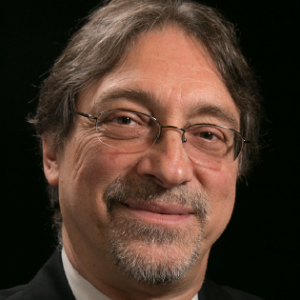
John DeLuca
John DeLuca, PhD, is the Senior Vice President for Research and Training at Kessler Foundation, a Professor in the Department of Physical Medicine & Rehabilitation, and the Department of Neurology at Rutgers, New Jersey Medical School. He is board certified in Rehabilitation Psychology by the American Board of Professional Psychology. Dr. DeLuca has been involved in neuropsychology and rehabilitation research for over 30 years. He is internationally known for his research on disorders of memory and information processing in a variety of clinical populations including: multiple sclerosis, traumatic brain injury, aneurysmal subarachnoid hemorrhage, and Chronic Fatigue Syndrome. Dr. DeLuca has published over 425 articles, books and book chapters in these areas, has edited 7 books in neuropsychology, neuroimaging and rehabilitation, and is a co-Chief editor for the “Encyclopedia of Clinical Neuropsychology.” He has received over 65 million dollars in grant support for his research. Dr. DeLuca's most recent research ventures include the cerebral mapping of human cognitive processes using functional neuroimaging, as well as the development of research-based techniques to improve cognitive impairment. He serves on the editorial boards of many journals and has received numerous national and international awards in recognition of his work. -
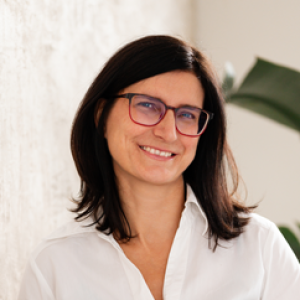
Kamila Řasová
Prof. PhDr. Kamila Řasová, Ph.D. received her doctorate in neuroscience from Charles University, Prague, Czech Republic. She is Professor, guarantor of the Physiotherapy Study Programme, and Head of Research at the Department of Rehabilitation Medicine, Third Faculty of Medicine, Charles University. She also works clinically as a physiotherapist at the Department of Rheumatology and Rehabilitation of the same faculty. Her research focuses on physiotherapy and neurorehabilitation in people with multiple sclerosis, after stroke, with spinal muscular atrophy, and in critical illness. Her work is supported by both national and international grants. She is the developer of the Activating Therapy Motor Program, an original therapeutic concept aimed at improving motor function and neuroplasticity. Prof. Řasová has organized several international workshops supported by European funding schemes. She is the author of seven peer-reviewed monographs and editor of international books in neurorehabilitation. According to Web of Science, she has authored 83 impact-factor publications (77 indexed in the Web of Science Core Collection), with 739 citations and an H-index of 15. Web of Science ResearcherID: T-3609-2017 -
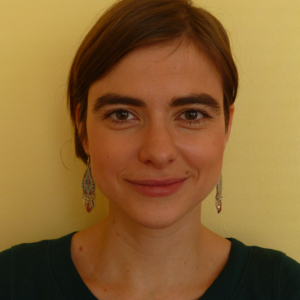
Klára Novotná
Klára Novotná is a clinical physical therapist and has been working since 2011 at the Multiple Sclerosis Center of the Department of Neurology at the General University Hospital in Prague and the First Faculty of Medicine of Charles University (the largest center for multiple sclerosis in the Czech Republic, which cares for approximately 3,000 patients with multiple sclerosis). She specializes in gait and balance assessment, therapy, and symptomatic rehabilitation treatment for people with MS. She teaches physiotherapists and collaborates with patient organizations on various educational events, not only for newly diagnosed patients but also to promote physical activity as part of the nationwide “Movement Week for MS” campaign, during which various physical activity events take place in many cities across the Czech Republic. -
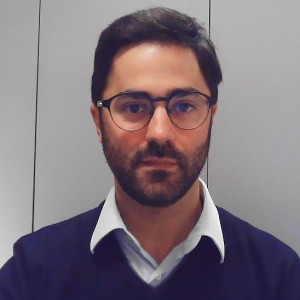
Ludovico Pedullà
Ludovico Pedullà is the Coordinator of Research on Motor Function and Physical Activity at the neuroBRITE Research Center of the Italian Multiple Sclerosis Foundation (FISM). His work focuses on the effects of neurorehabilitation and physical activity on behavioral outcomes and neural plasticity processes in people with multiple sclerosis. He is also interested in the development and testing of new technologies (e.g., mobile apps) for monitoring and treating symptoms in MS. Since 2020, he has been involved in participatory governance processes in research and healthcare by implementing the MULTI-ACT model in his projects. Since 2024, he serves as Chair of the Special Interest Group Mobility within RiMS. -
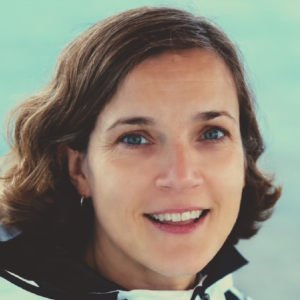
María Jesús Arévalo
María Jesús Arévalo is a clinical neuropsychologist and Head of the Neuropsychology Department at the Multiple Sclerosis Centre of Catalonia (Cemcat), Vall d’Hebron University Hospital, Barcelona. She has over 20 years of experience working with people with multiple sclerosis, combining clinical care, cognitive rehabilitation and research. Her work focuses on cognitive changes across the course of the disease, including early stages, as well as on the development of cognitive and psychosocial rehabilitation approaches. She is also involved in research exploring the relationship between cognitive functioning and neuroimaging, and collaborates in multidisciplinary and international projects in multiple sclerosis. -
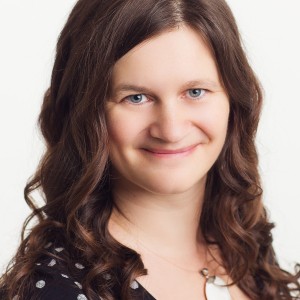
Markéta Pavlíková
Markéta Pavlíková, PhD, is a biostatistician based in Prague, Czech Republic, working at Charles University — as a lecturer at the Department of Rehabilitation Medicine (3rd Faculty of Medicine) and as a researcher at the Faculty of Mathematics and Physics. She has extensive experience in study design, data analysis and co-authoring publications across multiple fields of biomedicine, including neurology, rehabilitation, rheumatology and genetics. Her current work focuses on the practical implementation, data collection and analysis of ICF Core Sets for multiple sclerosis within several physiotherapy research projects and rehabilitation programs, both in outpatient and inpatient settings. ICF in MS was also one of the central topics of her doctoral dissertation (Preventive Medicine and Epidemiology, Charles University, 2024). -
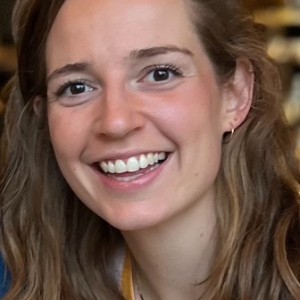
Martha Ghijselings
Martha Ghijselings is a clinical speech and language therapist at the Nationaal MS Centrum in Melsbroek, Belgium. She specializes in the assessment and treatment of communication and swallowing disorders in people with multiple sclerosis, including language impairments, dysarthria, dysphagia, and breathing-related difficulties. In addition to her clinical role, she serves as a discipline specialist within the centre, keeping up to date with the latest developments in the field and supporting their implementation in clinical practice. -
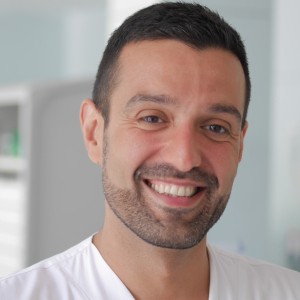
Miguel Ángel Robles Sánchez
Miguel Ángel Robles Sánchez, PhD, Multiple Sclerosis Consultant Nurse, is a multiple sclerosis advanced clinical nurse, the Nursing Coordinator at the Multiple Sclerosis Center of Catalonia (Cemcat), Vall d’Hebron University Hospital, Barcelona Hospital Campus and member of the Multidisciplinary and Nursing Research Group, Vall d’hebron Research Institute (VHIR). In his doctoral project, his line of research is focused on the implementation of educational health interventions that respond to the needs and demands of people with multiple sclerosis. In 2015, he received the European Nursing Fellowship from the European Committee for Treatment and Research in Multiple Sclerosis (ECTRIMS) and carried out an international stage at the National Hospital for Neurology & Neurosurgery, Queen Square, London, UK. It was linked to his doctoral thesis "Comprehensive approach to needs and demands of people with multiple sclerosis”, where he became familiar with shared decision-making among other nursing interventions and programs. Subsequently, in collaboration with the Agència de Qualitat i Avaluació Sanitàries (AQUAS), the University of Girona and the Fundació Esclerosi Múltiple (FEM), he led the development of contents and decision aid tools for the Shared-Decisions Project in multiple sclerosis, available in the Health Channel of the Department of Health of Catalonia. He performed a nursing research fellowship in the frameworks of the Strategic Plan for Research and Innovation in Health 2016-2020 (PERIS – Health Department, Government of Catalonia). Linked to this fellowship he lead a multi-center study entitled "Territorial Implementation of the Expert Patient Program of Catalonia in Multiple Sclerosis" established in 7 territorial multiple sclerosis centres. This project had also received a grant from the Nursing and Midwifery Council of Barcelona (COIB). -
Peter Flachenecker
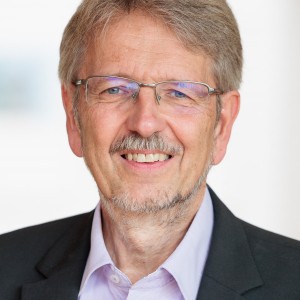
Peter Flachenecker was born in Würzburg, Germany, in 1963. After medical licensure in 1992, he was trained in neurology at the department of neurology, university of Würzburg (Prof. Dr. K. V. Toyka) where he was appointed assistant professor in 2005 and full professor in 2011. He was involved in several pivotal phase III clinical trials for the treatment of MS. Since 2004, he is medical director of the Neurological Rehabilitation Center Quellenhof in Bad Wildbad, Germany, which is specialized for multiple sclerosis (MS). His main scientific interest is multiple sclerosis, with special emphasis on rehabilitation and symptomatic treatment of MS, in particular spasticity, urogenital dysfunction, fatigue, cognitive dysfunction, autonomic nervous system, quality of life and cost-of-illness. Professor Flachenecker has published more than 100 articles in peer-reviewed journals and is reviewer for a number of scientific journals. He is member of the German MS guideline group and the Executive Committee of the Medical Advisory Board of the German MS Society. Professor Flachenecker is currently involved in several multicenter studies and national and international projects including the German MS Registry, “MS bewegt” and a project aimed at assessing and promoting mobility in persons with MS (PwMS). In particular, he takes part in several national and international projects dealing with bladder problems in MS such as the development and validation of an algorithm to diagnose bladder dysfunction in MS and of the “MS bladder check”; both studies have recently been published in peer-reviewed journals. -

Sinéad Hynes
Dr Sinéad Hynes is a Senior Lecturer at the University of Galway and a CORU-Registered Occupational Therapist. Her research career has been exclusively in patient-focused, rehabilitation and symptom management, particularly with people with multiple sclerosis. She is a Research Associate of Evidence Synthesis Ireland, a member of the Institute for Clinical Trials, Galway Neuroscience Centre and an MS Ireland representative on The European Committee for Treatment and Research in Multiple Sclerosis (ECTRIMS) Council. -
Sofia Straudi
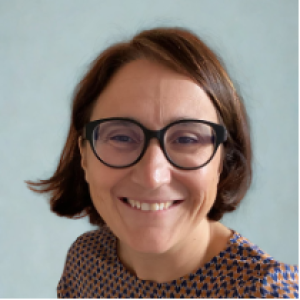
Sofia Straudi is a Professor of Physical Medicine and Rehabilitation at Ferrara University and a consultant physiatrist at Ferrara University Hospital with a special interest in neurorehabilitation and complex disabilities. She leads a research team focused on new technologies in neurorehabilitation, including robotics, virtual reality, non-invasive brain stimulation, and telerehabilitation, as well as clinical biomarkers of recovery. Her publications include more than 100 original articles. -
Sofie Ferdinand
Sofie Ferdinand is the Head Therapist of the multidisciplinary team at the National MS Center in Melsbroek, where she leads and coordinates a diverse group of rehabilitation professionals. Trained as an occupational therapist, she has experience working with people with multiple sclerosis across a wide range of profiles and within various care programs. A key focus of her work is bridging disciplines to strengthen interdisciplinary collaboration.